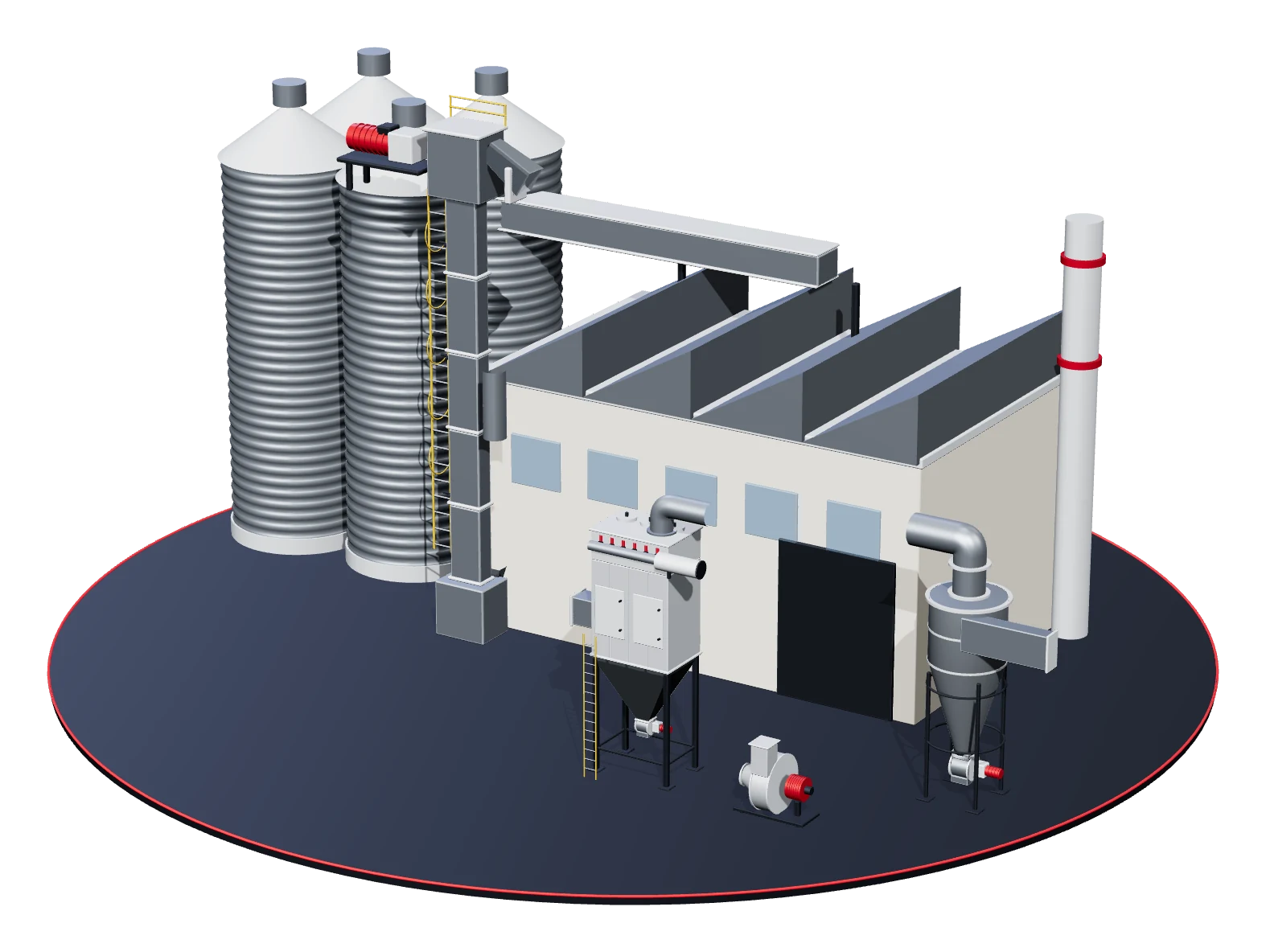
Turnkey Plant Consulting
End-to-end rice mill plant delivery — from capacity study and plant layout through procurement, civil coordination, installation and commissioning. One vendor, zero gaps.

From greenfield feasibility to commissioning — we plan, engineer and manage rice mill projects, and we explain every choice in plain language so you can decide with confidence.
One team across process, mechanical, electrical, automation and civil coordination.
End-to-end rice mill plant delivery — from capacity study and plant layout through procurement, civil coordination, installation and commissioning. One vendor, zero gaps.
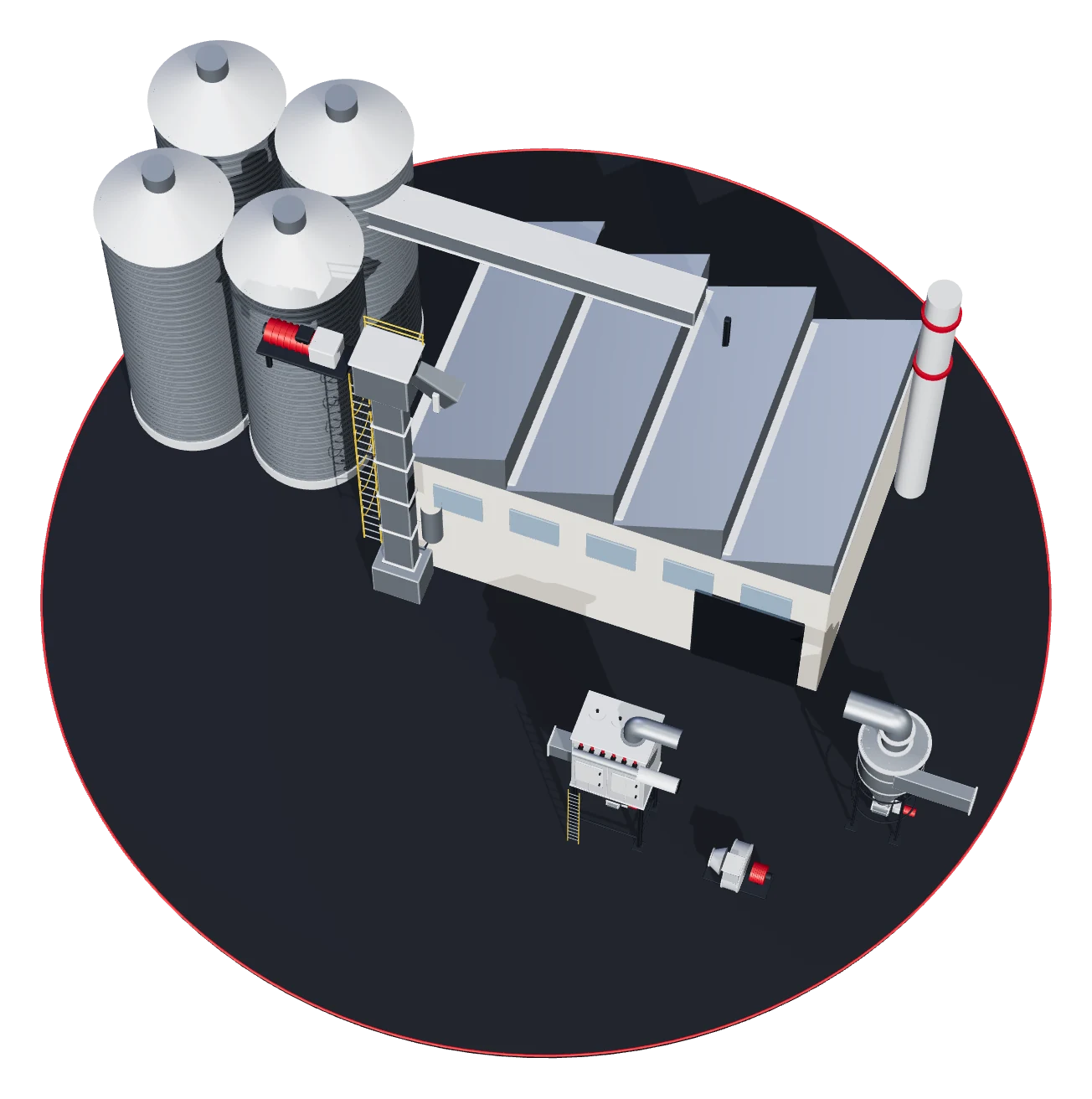
Optimised equipment arrangement, material flow routing and civil drawings for maximum efficiency.
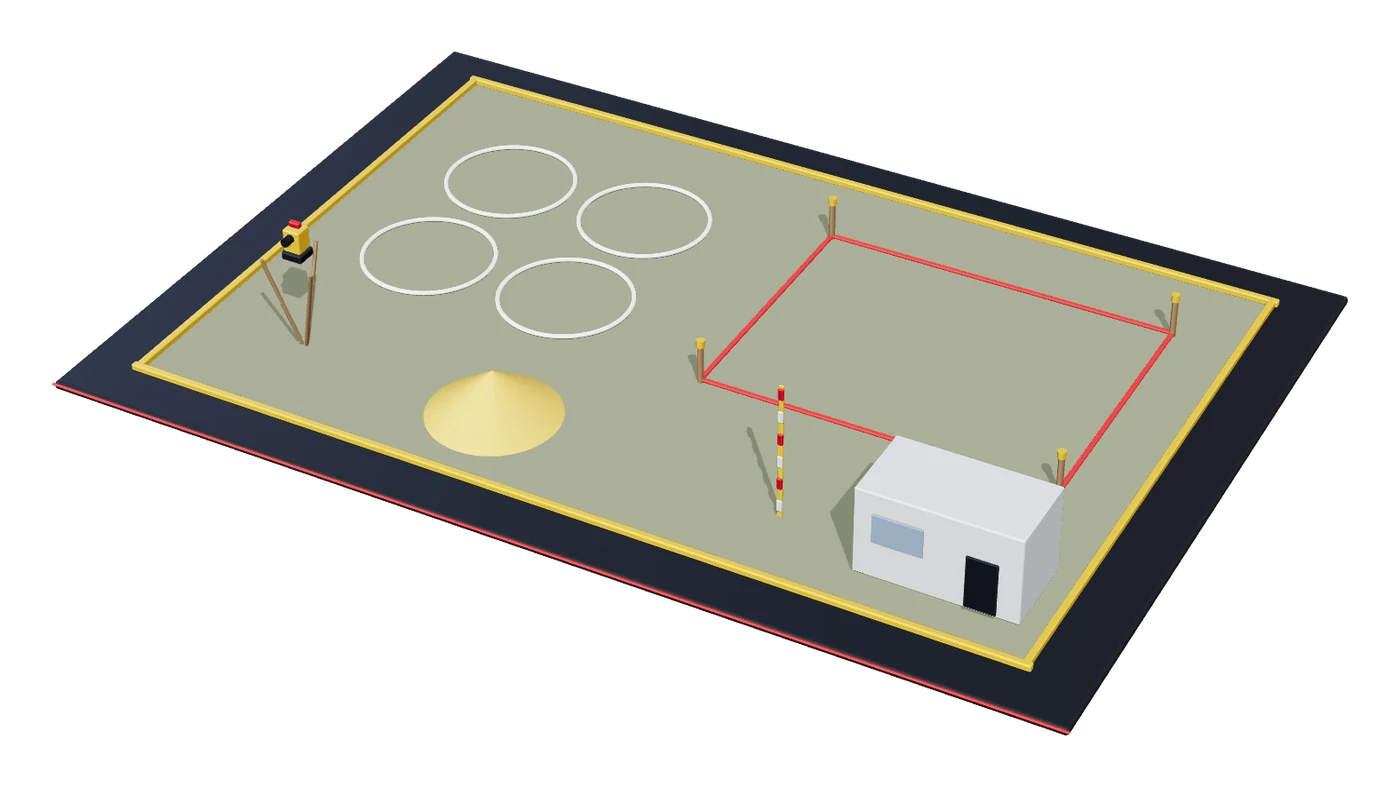
ROI analysis, capacity planning and site assessment before you commit to infrastructure.
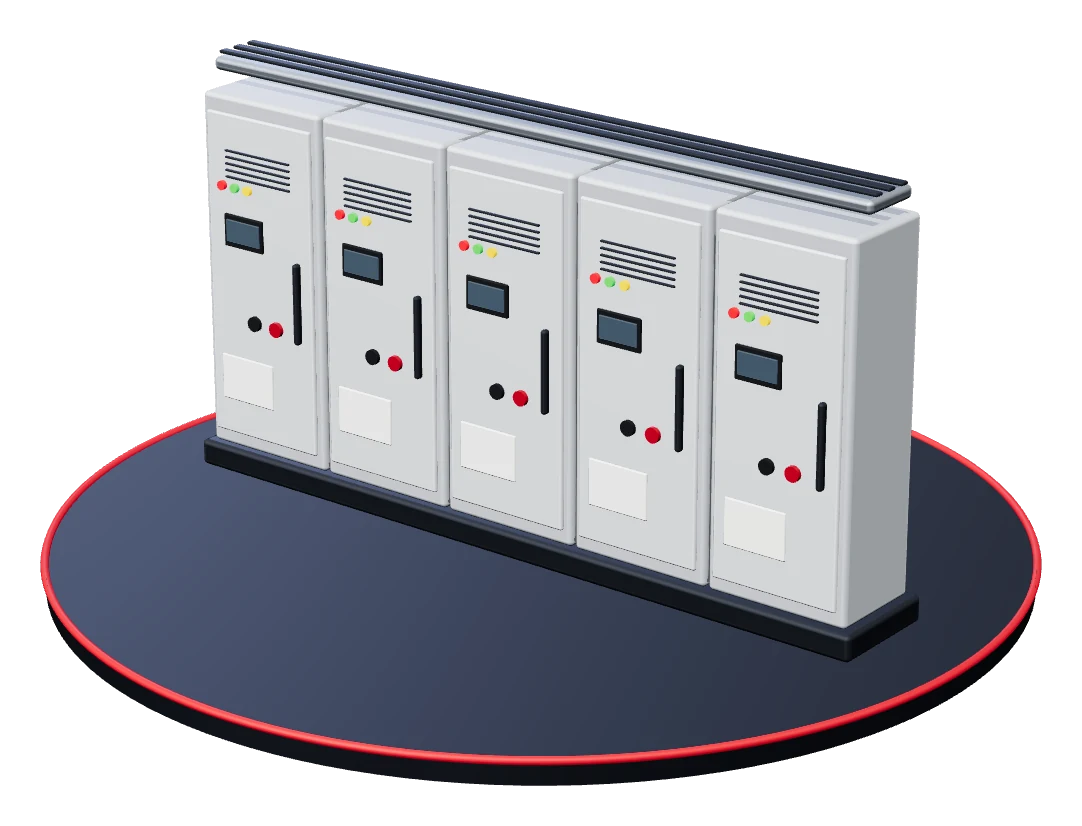
MCC panels, power distribution, load schedules and cable routing for the entire plant. Safe, code-compliant, documented.
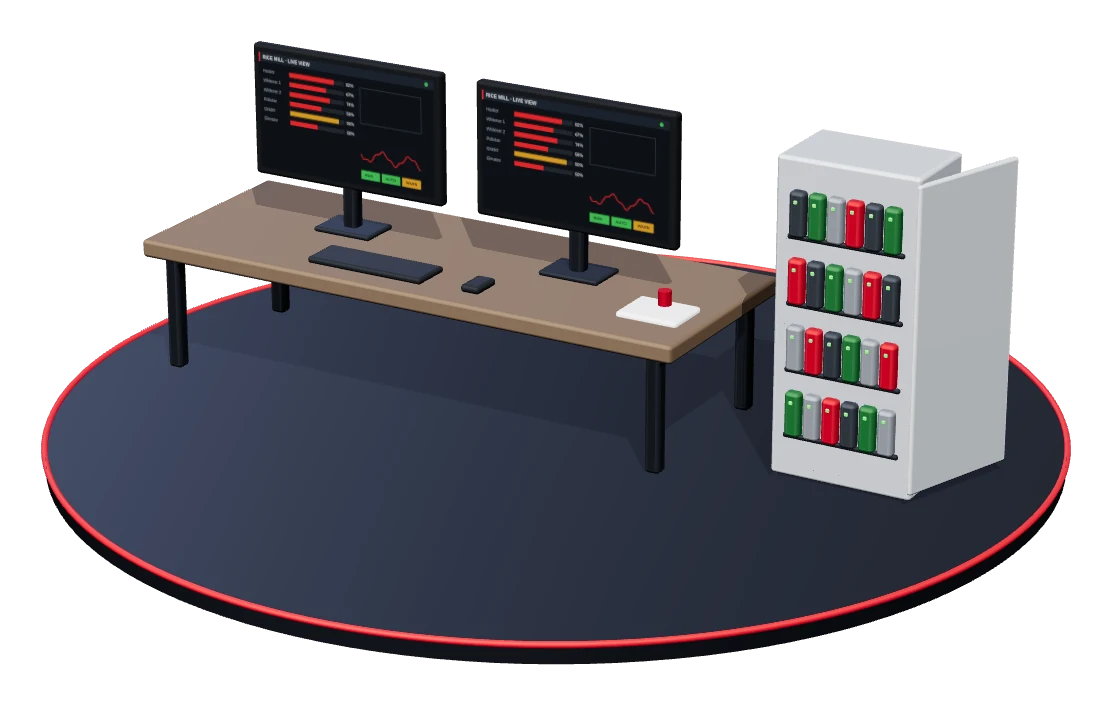
Full process automation — from motor starters to SCADA dashboards, remote monitoring and alarm management.
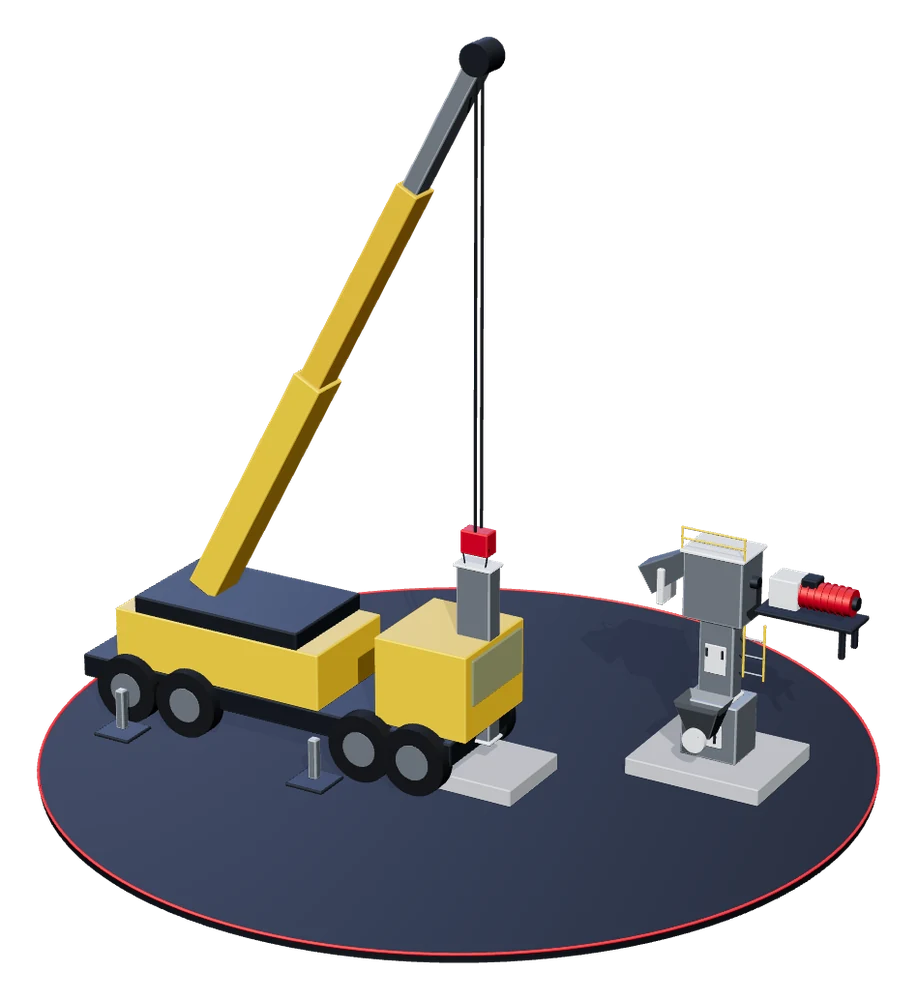
Supervised installation by experienced engineers ensuring safe, aligned and properly commissioned equipment.
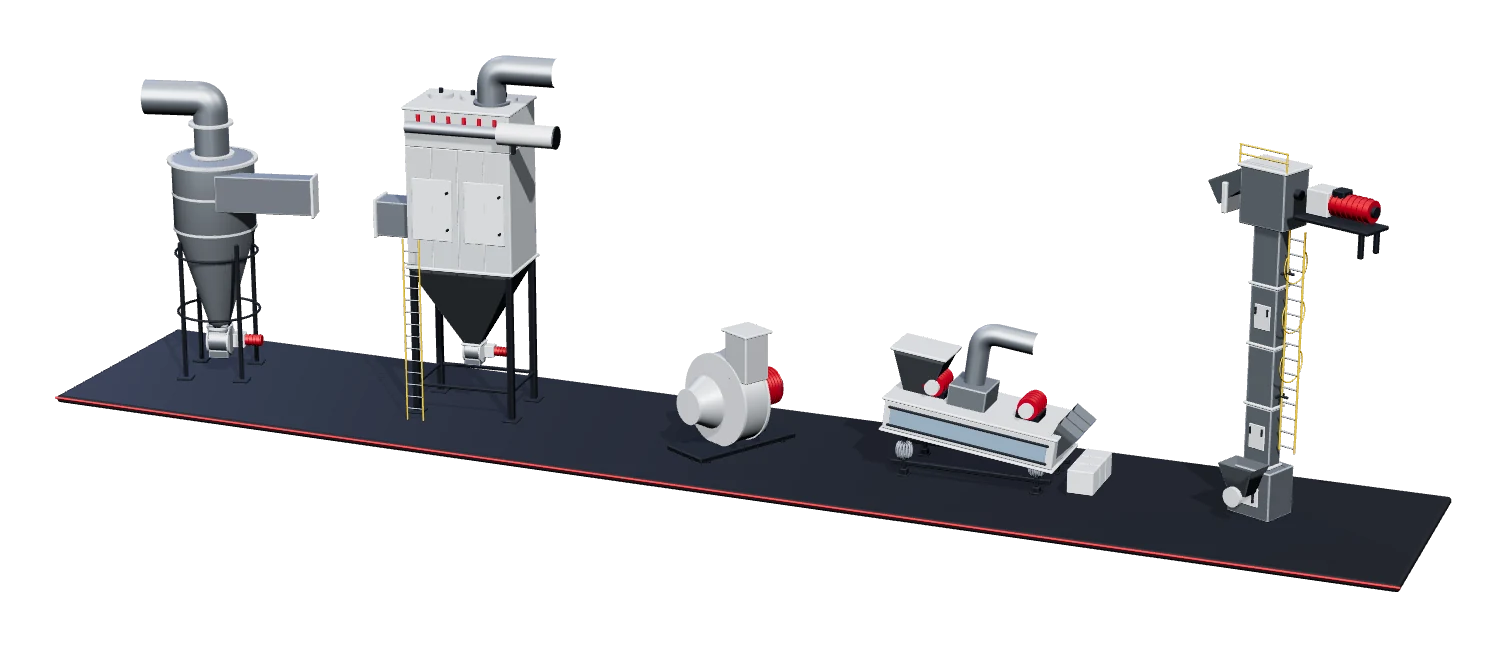
Help choosing the right machines, driers, boilers, blowers and conveyors for your capacity, variety and budget.
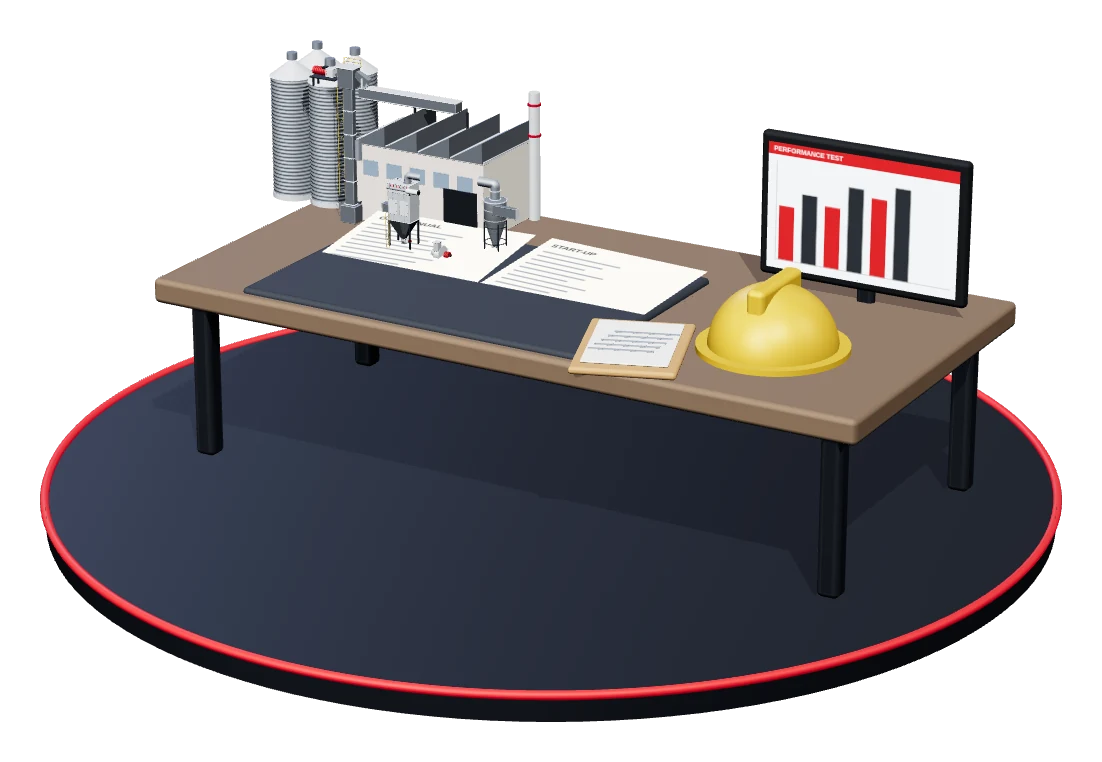
Operator training, O&M manuals, performance testing reports and 12-month support warranty.
A plain-language guide for owners and first-time investors — what happens to the paddy at each stage, why it matters, and what usually goes wrong.
Paddy arrives from farms or traders. It is weighed, sampled, and checked for moisture and impurities before it is stored.
Sieves and air remove straw, dust, light grains and oversized material before anything else touches the paddy.
Wet paddy is dried gently to a safe milling moisture, commonly around 13–14%. In parboiling, paddy is soaked, steamed and then dried before milling.
A gravity-based machine lifts the paddy and lets stones and heavy particles fall away.
Rubber rolls strip the husk from the paddy, leaving brown rice. The husk is roughly a fifth of the paddy by weight.
Unhusked paddy is separated from the brown rice and sent back to be husked again.
Abrasive or friction whiteners remove the bran layers from the brown rice, usually in two or three passes.
Polishers give the grain a smooth shine. Graders then separate whole grains (head rice) from broken ones by length and thickness.
Optical sorters remove discoloured and foreign grains. The rice is then weighed, bagged and dispatched.
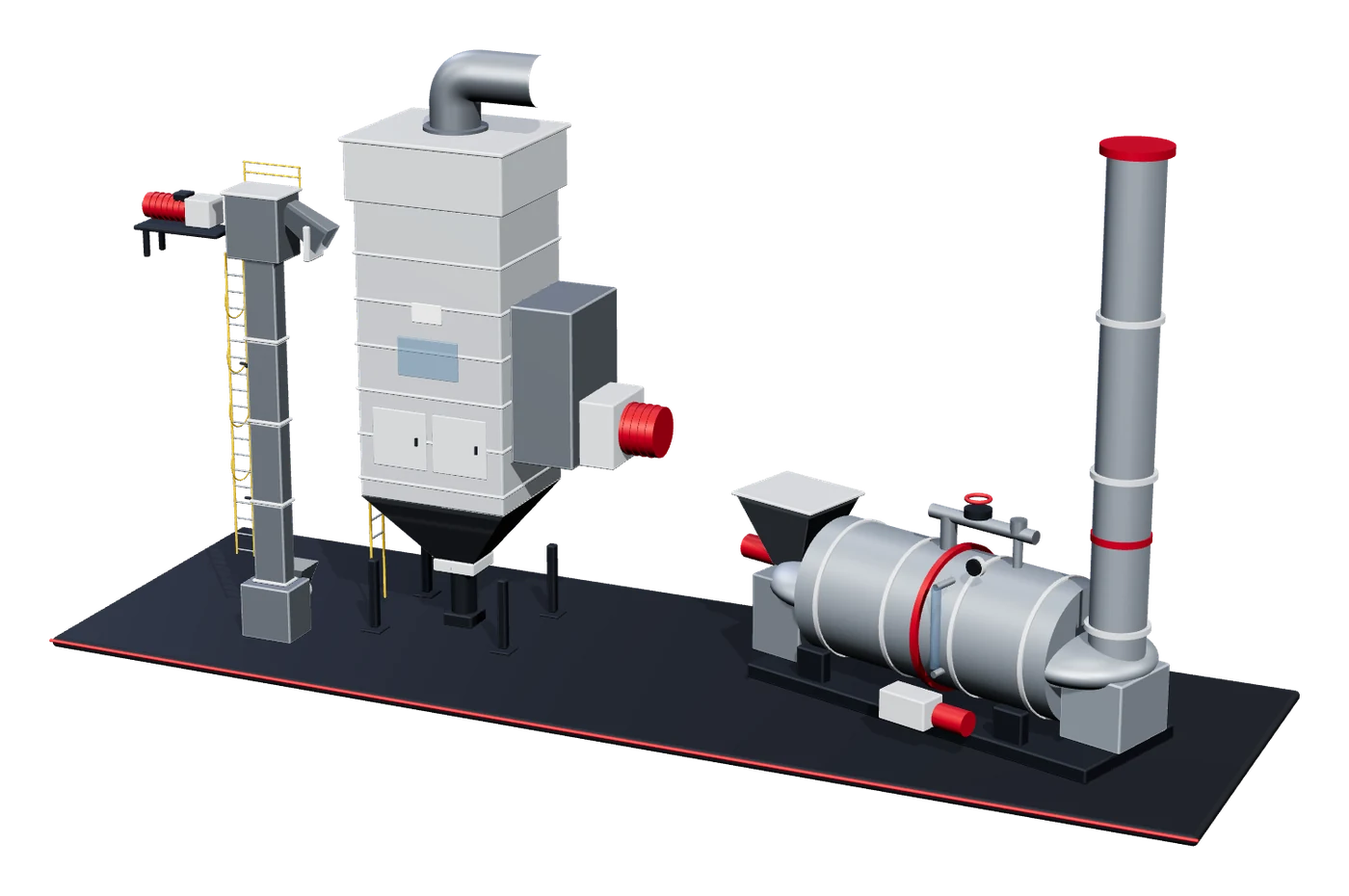
Drying and parboiling use more fuel than any other stage. Done gently and evenly, they also protect head rice. A boiler or drier that matches the plant, fed by the mill’s own husk, is usually the cheapest fuel plan you can make.
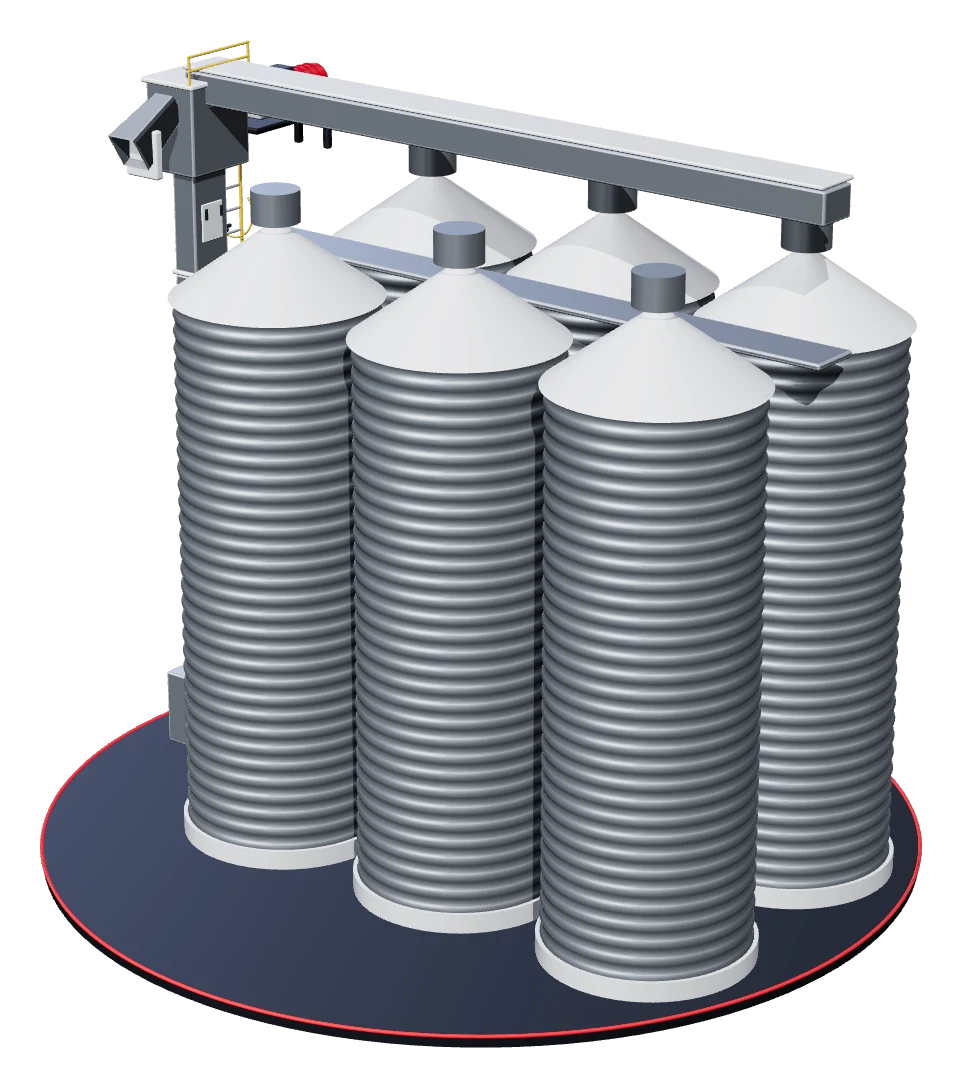
Grain is moved many times between receiving and packing. Gentle handling, enough storage and sensible flow keep paddy in good condition and the plant running when deliveries are uneven.
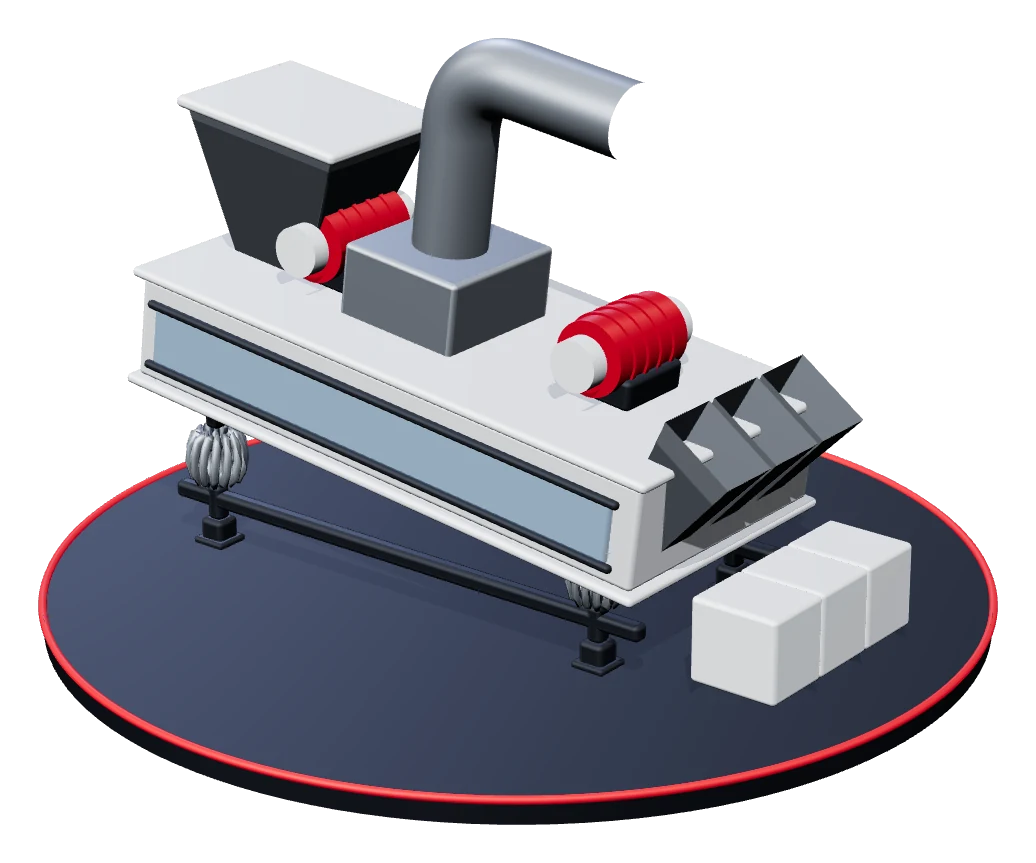
Cleaning and grading are layers: pre-cleaning, destoning, separating, grading and sorting. Each layer protects the next, and each one is set by variety and by the grade you aim to sell.
Motor control panels, interlocks and simple automation make sure machines start in sequence, stop safely and protect themselves. Good control also gives you the numbers you need to improve the plant.
Dried paddy is milled directly.
Paddy is soaked, steamed and dried before milling.
Measure paddy in, and rice, brokens, bran and husk out, every shift. Without numbers you cannot tell whether a change helped.
Handle grain gently: fewer drops, even moisture and correctly set rolls and whiteners do more than any new machine.
Plan for the paddy you will actually receive and the hours you will really run, not the nameplate capacity.
A husk-fuelled boiler or drier turns a by-product into the fuel your plant needs most.
Collect dust at the source and keep the mill clean. Rice-mill dust and husk can burn, so housekeeping and electrical protection matter.
Roll changes, sieve cleaning, bearing checks and belt tension done to a schedule, not after a failure.
Bring these to your first conversation with any consultant — including us. The answers decide the size, layout and cost of the plant.
Quick planning calculators for rice mill projects — machinery selection, electrical load, generator and airflow. Change a number and the answers update instantly.
| Stage | Units | Each handles | Total capacity |
|---|---|---|---|
| Paddy pre-cleaner | 1 | 5.0 t/hr | 5.0 t/hr |
| Destoner | 1 | 6.0 t/hr | 6.0 t/hr |
| Rubber-roll husker | 2 | 3.0 t/hr | 6.0 t/hr |
| Paddy separator | 1 | 4.0 t/hr | 4.0 t/hr |
| Whitener (2 passes) | 4 | 1.5 t/hr rice | 3.0 t/hr rice |
| Polisher | 2 | 2.0 t/hr rice | 4.0 t/hr rice |
| Length grader | 3 | 1.2 t/hr rice | 3.6 t/hr rice |
| Colour sorter | 1 | 128 channels | ≈ 2.7 t/hr |
| Bucket elevators (≈ 8 in line) | 8 | 5.0 t/hr | line rate + 25% |
Indicative planning figures for early budgeting — not a substitute for equipment datasheets or a certified design.
Have our engineers verify it →Complete automation for your rice mill — from motor control centres and PLC panels to SCADA dashboards and remote monitoring. Real-time control, data logging and alarm management.
A structured approach — from initial study to final handover — keeps every project on spec, on time and on budget.
Site visits, market study, capacity analysis and ROI projection. We validate your business case before a single rupee is spent on plant.
Business caseProcess flow diagrams, equipment selection, plant layout, civil loading drawings and electrical single-line diagrams.
Drawings & BOQEquipment ordered, tracked and delivered to the plant schedule. Supply chain managed by our team.
Delivery scheduleCivil supervision, equipment erection, alignment and mechanical commissioning — our engineers on site throughout.
Erected plantMCC wiring, PLC programming, SCADA configuration, motor commissioning and interlock verification.
Tested panels & PLCOperator training, O&M manuals, performance testing reports and 12-month support warranty.
Handover fileOne contract, one team, one point of contact — from concept to commissioning. No coordination gaps between civil, electrical and mechanical disciplines.
We understand paddy processing from husk to head rice. Our engineers know the exact accessories, layouts and control sequences that maximise milling yield and minimise energy use.
Operator training, O&M manuals, performance testing and a year of follow-up support — so the plant keeps performing long after commissioning day.
Tell us about your rice mill project and we’ll respond within 24 hours with a tailored consultation plan.